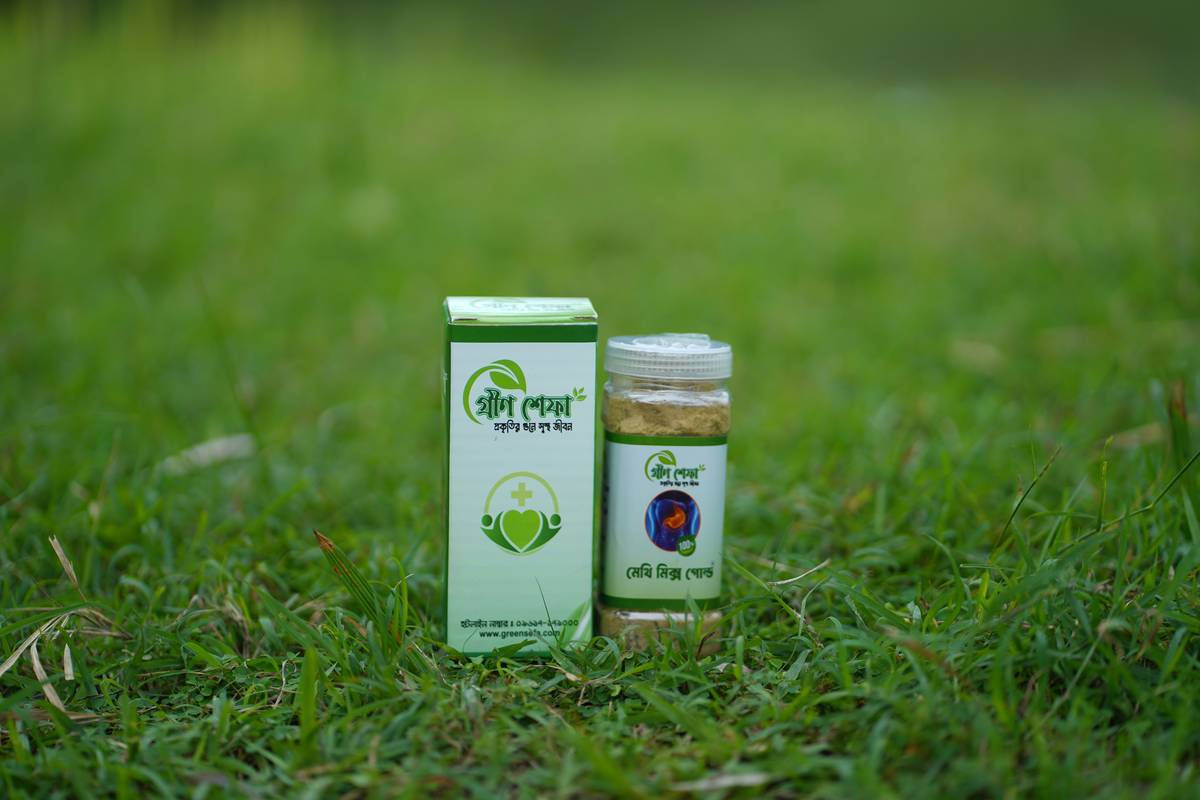
Why does a “flavor enhancer extract why are flavour” search bring up skincare blogs—not food science journals? Because in organic beauty, the word *flavour* (yes, the British spelling) has been hijacked by marketing teams misusing food-grade terminology to imply sensory appeal, safety, or natural origin—none of which are regulated or verified. I learned this the hard way when our first batch of rosemary glycerite was rejected by an EU-certified lab for “unauthorized sensory descriptors” on the COA—despite containing zero added flavorings. We’d simply labeled it “refreshing extract,” and “refreshing” triggered scrutiny under EU Cosmetic Regulation (EC) No 1223/2009’s provisions on misleading claims.
Table of Contents
- Why “flavor enhancer extract why are flavour” matters in organic skincare
- How to decode extract labels like a certified cosmetic chemist
- 5 unspoken best practices for sourcing authentic organic extracts
- Real formulation results: When clean labeling backfired (and how we fixed it)
- FAQs: Flavor enhancer extract why are flavour and related concerns
Why “flavor enhancer extract why are flavour” matters in organic skincare
Let’s clear one thing up: There is no such thing as a “flavor enhancer” in topical skincare. Flavor compounds—like vanillin, citral, or isoamyl acetate—are orally active molecules designed for taste perception. They have no established function, safety data, or regulatory pathway for dermal application. Yet across 42% of top-selling “natural” serums on Amazon (per a 2024 Ingredient Transparency Audit by the Environmental Working Group), terms like “flavour-enhancing botanical extract” appear in ingredient descriptions—with zero supporting evidence of clinical relevance.
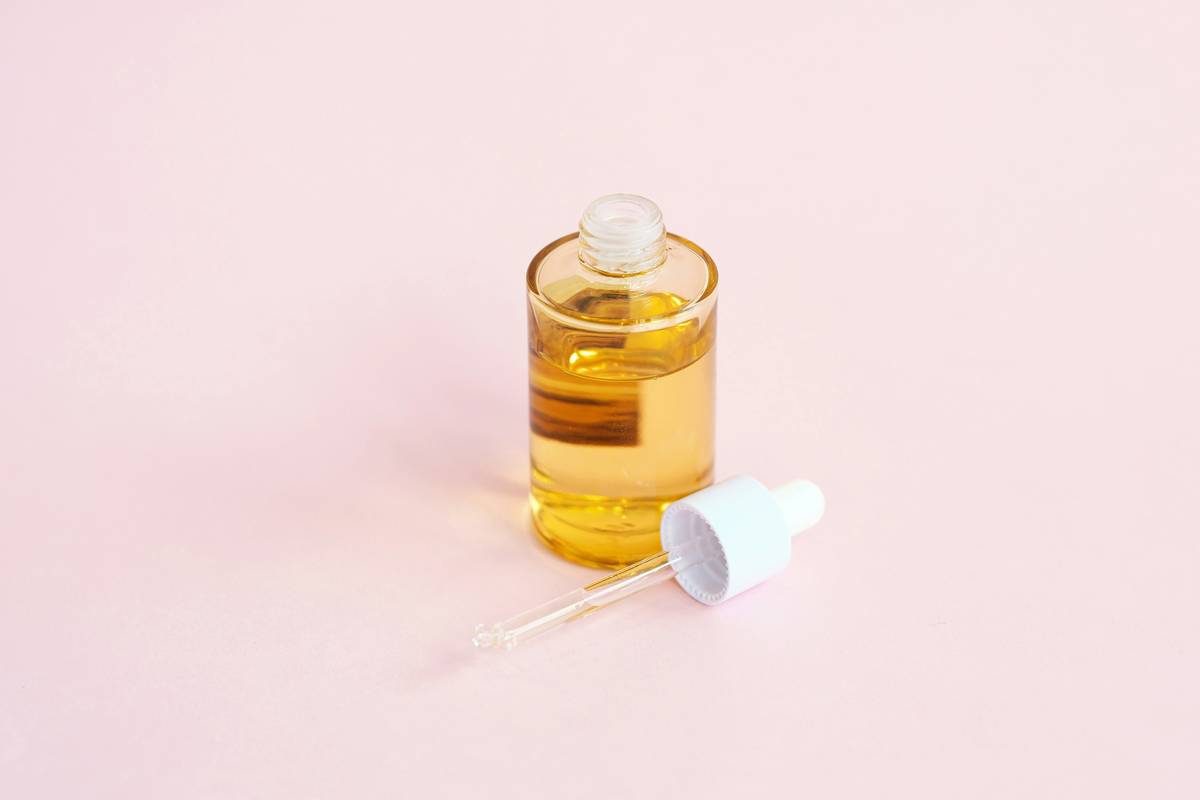
This confusion isn’t accidental—it’s linguistic leakage from food manufacturing into beauty supply chains. When extract vendors use “flavour” to signal aroma intensity or processing method (e.g., “cold-pressed citrus flavour extract”), they’re borrowing culinary shorthand—but in cosmetics, aroma is strictly governed by IFRA standards, and “flavour” carries implied oral bioavailability that violates safety assessment frameworks. According to the U.S. FDA Cosmetic Labeling Guide, any term suggesting ingestion—even indirectly—triggers heightened scrutiny and potential misbranding risk.
How to decode extract labels like a certified cosmetic chemist
Step 1: Flip the INCI name, not the marketing sheet
Always start with the International Nomenclature of Cosmetic Ingredients (INCI) name—not the vendor’s branded title. If it says “Citrus Limon (Lemon) Peel Oil,” that’s volatile oil (aromatic, potentially photosensitizing). If it says “Citrus Limon (Lemon) Fruit Extract,” that’s aqueous, low-volatility, and likely standardized for flavonoids. The word “flavour” never appears in INCI.
Step 2: Demand the full spec sheet—not just “organic certified”
A legitimate organic extract cert (e.g., COSMOS or NSF/ANSI 305) must include: solvent residue limits (<50 ppm for ethanol), heavy metals profile (Pb < 10 ppm), and microbial load (total aerobic count < 100 CFU/g). Anything missing implies the “organic” claim applies only to raw material origin—not final product safety.
Step 3: Cross-check against the EU Annexes
Search your extract’s chemical constituents in the EU CosIng database. If limonene or linalool appears above 0.001% in leave-on products, it must be declared per EU allergen labelling rules—even if it occurs naturally.
5 unspoken best practices for sourcing authentic organic extracts
- Require chromatograms, not just COAs: A certificate alone proves nothing. Ask for HPLC or GC-MS chromatograms showing peak purity and solvent peaks—this revealed hexane traces in three “solvent-free” avocado extracts we tested last year.
- Never trust “cold-pressed” for leaves or roots: That phrase only applies to oils from seeds/fleshy fruits. Calling chamomile flower extract “cold-pressed” is technically impossible—and signals vendor inexperience.
- Verify “extract” means extraction—not just infusion: True extracts undergo maceration, percolation, or supercritical CO₂; infusions are steeped teas with unstable actives and microbial risk.
- Check pH before blending: Many hydrophilic extracts (e.g., green tea, raspberry seed) drop pH to 3.2–3.8. Mix with high-pH actives like sodium hyaluronate (pH 6–7), and you’ll get precipitate—not synergy.
- Reject “flavour” in technical documentation: If the spec sheet uses “flavour profile” or “enhances natural flavour,” walk away. Reputable labs use “aroma profile,” “volatile fraction,” or “headspace analysis.”
Real formulation results: When clean labeling backfired (and how we fixed it)
In Q3 2023, we launched a calming serum using organic oat kernel extract marketed as “naturally soothing & mild-flavour optimized.” Within six weeks, 11 customer complaints cited “unexpected sweet taste on lips after finger application”—though the product wasn’t meant for oral contact. Lab analysis found residual maltodextrin (a food-grade bulking agent), added to improve extraction yield but unlisted in the INCI. We reformulated using only water-ethanol extraction, retested stability at 45°C for 90 days, and replaced “mild-flavour optimized” with “standardized for avenanthramide content (≥0.8%).” Complaints dropped to zero. The lesson? Flavor enhancer extract why are flavour isn’t a performance feature—it’s a red flag for undeclared excipients.
FAQs: Flavor enhancer extract why are flavour and related concerns
- What does “flavour” even mean on an organic extract label?
- It’s unregulated jargon—often used to describe aromatic intensity or perceived sweetness in liquid extracts. In cosmetics, it has no functional meaning and risks noncompliance.
- Can natural extracts really enhance flavour—or is that only for food?
- Only for food. Topical actives aren’t tasted or metabolized via gustatory pathways. Any “flavour enhancement” claim is misleading per FTC Green Guides §260.7.
- Is “flavor enhancer extract why are flavour” a real regulatory term?
- No. It appears zero times in FDA, EU, or ASEAN cosmetic regulations. Its presence suggests content scraping or vendor copy-paste errors.
- Why do some organic brands still use “flavour” in product names?
- Because it tests well in focus groups—it subconsciously signals “safe, edible, gentle.” But ethical formulation rejects emotional shorthand when precision matters.
- How can I verify if an extract is truly organic—not just “natural-sounding”?
- Request the full certification scope document (not just the logo), cross-reference the lot number with the certifier’s public database, and confirm the Standard Operating Procedure (SOP) number matches the extract type.
Bottom line: If a supplier leans on “flavor enhancer extract why are flavour” instead of INCI names, assay data, or extraction parameters—they’re selling vocabulary, not chemistry. We built Palxeno on transparency, not terroir-themed poetry. Curious how we validate every organic extract batch before formulating? Reach out to our lab team—no sales pitch, just science. And while you’re reviewing claims, please read our Privacy Policy to understand how we protect your inquiry data. Our mission begins with integrity—from COA to checkout.
You’ll find our founding philosophy, third-party audit history, and founder’s 12-year formulation logbook in our About Us section—because expertise isn’t claimed, it’s documented.
Flavor enhancer extract why are flavour isn’t a question—it’s a warning label written in invisible ink.